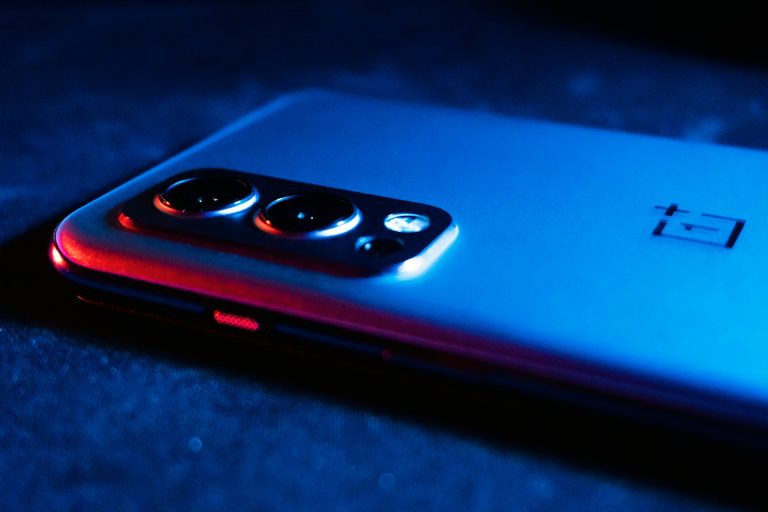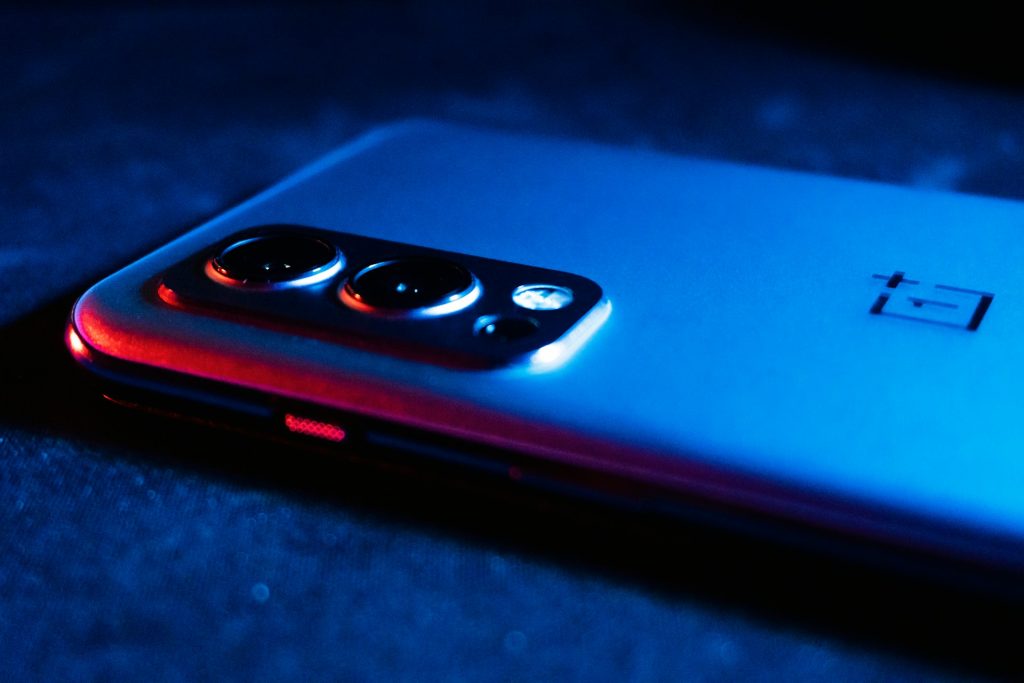
Looking back at how OnePlus operates, they’ve always had a knack for sweetening the pot. Take a trip back to early 2021. The company had just dropped the rather confusingly named but heavily specced Nord N10 5G and its LTE-only sibling, the N100. They were already aggressively priced at $299.99 for the 5G model and a mere $179.99 for the N100, but OnePlus and retailers like B&H Photo Video quietly rolled out pre-order freebies that practically forced your wallet open. We’re talking a complimentary pair of true wireless OnePlus Buds Z or a $50 B&H e-gift card bundled with the N10. Even the humbler N100 shipped alongside Bullets Wireless Z earphones or a $30 gift card.
Under the hood, those two budget warriors couldn’t have been more different despite looking like twins at first glance. The N10 5G flexed a Snapdragon 690 and vastly superior display and imaging specs. The cheaper N100, on the other hand, relied on a more modest Snapdragon 460 but compensated with a beefy 5,000mAh battery, easily outlasting the N10’s already respectable 4,300mAh cell. The sheer bang for your buck was entirely off the charts.
Fast forward to June 2026, and that core philosophy of packing in unexpected extras is still alive, though the battleground has shifted heavily from the physical box to the software layer. OnePlus is currently pushing a fresh batch of OxygenOS updates that brings a highly anticipated feature to their modern lineup: simultaneous audio transmission to two Bluetooth devices.
Hooking Up Two Sets of Cans
The absolute meat of the updates—specifically version 16.0.8.300 for the OnePlus 15 and 16.0.8.301 for the OnePlus 13—is the new Dual Audio functionality. You can finally pair your phone to two separate Bluetooth speakers or sets of headphones at the exact same time. Independent volume control is baked right in, meaning you and a buddy can watch a movie on a flight without blasting one person’s eardrums or doing the tragic one-earbud-each routine. Best of all, OnePlus hasn’t locked this down to their own ecosystem; it works flawlessly with standard Bluetooth audio gear from any brand.
Getting it running is pretty straightforward. Once both devices are paired up normally, you just open your media player from the control centre, tap the icon in the top right, and select the second headset to mirror the playback.
Under the Hood of OxygenOS 16
While the audio sharing is the undeniable headliner, the update is packed with a laundry list of quality-of-life tweaks and the latest June 2026 Android security patch.
-
The weather app now pulls its weight for the outdoorsy crowd, displaying moonrise, moonset, and current moon phases right on the main screen.
-
If you’re using Outdoor Mode, you can pin your go-to apps to the bottom status bar for drastically quicker swapping.
-
Mobile gamers get a bump up to 2K resolution for the Game Capture tool, which you can dig out of the Game Assistant settings.
-
The App Drawer now features an “App Suggestions” category that intuitively surfaces your heavy-rotation applications.
-
On the security front, there’s a massive new failsafe: a one-tap kill switch to revoke accessibility permissions. It’s perfect for shutting down sketchy behavior if a sideloaded app tries to pull something risky.
There is one weird quirk in the release notes, though. The OnePlus 13 changelog specifically calls out a brand-new equalizer loaded with custom genre profiles like Pop and Rock, alongside manual frequency sliders. Bizarrely, this is completely missing from the OnePlus 15’s announcement. Whether that’s a deliberate feature gate for the older phone or just a typo in the press release is anyone’s guess right now.
The Rollout Reality
Currently, this staged rollout is already out in the wild. The OxygenOS 16.0.8.300 drop for the OnePlus 15 is hitting Europe, India, and a few other global markets, whereas the OnePlus 13’s update seems restricted to India for the moment. The OnePlus 15R and 13S are also queued up for the Dual Audio goodness, though their rollouts kicked off a few days later.
What’s still completely up in the air is how this trickles down the product stack. OnePlus hasn’t said a peep about whether these fresh features will make their way to older flagships like the OnePlus 12 or the current iterations of the Nord series. Given how generously they treated the Nord N10 and N100 crowd back in the day, you’d hope they won’t leave the budget sector out in the cold. But for now, we’re just waiting to see if history repeats itself.