Right now, anyone hunting for a flagship upgrade is likely torn between the newly minted Samsung Galaxy S26 and last year’s Galaxy S25 Ultra. A massive price gap has effectively ended the debate. Thanks to a recent promotion from the retailer Cdiscount, the Galaxy S25 Ultra has firmly positioned itself as the smartest smartphone purchase of 2026. With a price difference exceeding 350 euros, bringing the older model down to a highly competitive 816.99 euros, buyers are getting top-tier specifications without draining their bank accounts.
Power, Endurance, and the Screen Advantage
The S25 Ultra concedes absolutely nothing to the newer S26. Both devices feature custom-tailored processors that deliver exceptional power and responsiveness for heavy daily use. Yet, the S25 Ultra pulls ahead when it comes to sheer endurance. It houses a robust 5,000 mAh battery capable of pushing through 31 hours of autonomy, giving you a full hour more than you would get from the S26.
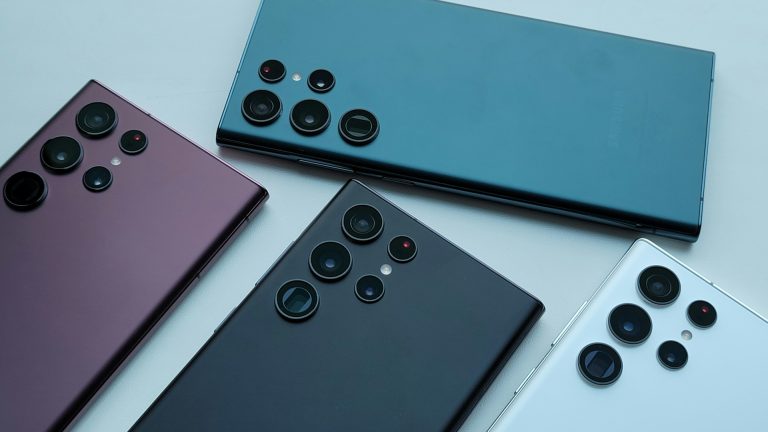
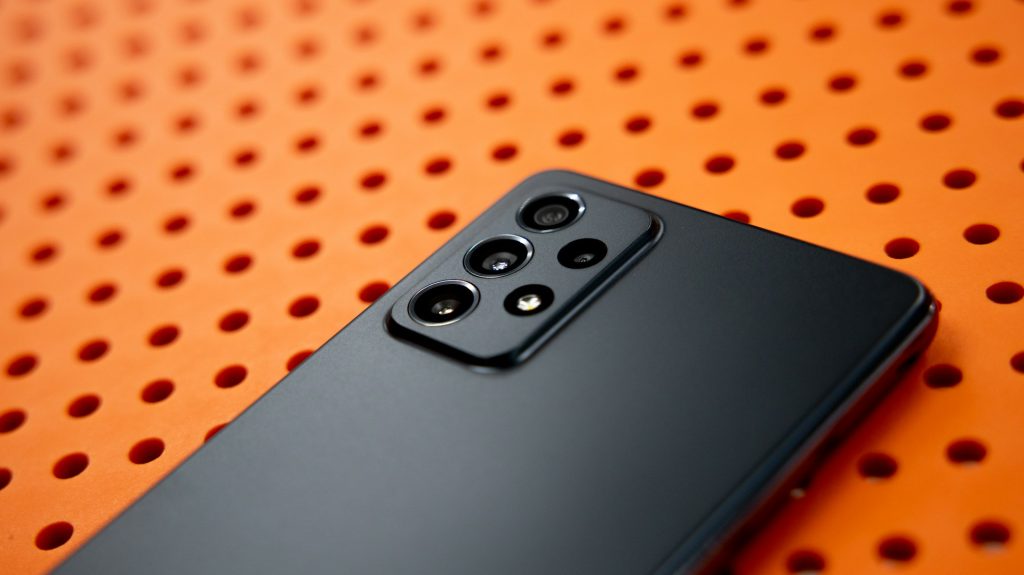
Screen real estate and photography also heavily favour the older model. Both phones utilize vibrant Dynamic AMOLED 2X displays for seamless, fluid scrolling. The S25 Ultra, however, offers a massive 6.9-inch canvas compared to the standard 6.3-inch screen on the S26. When capturing moments, both feature a sharp 12-megapixel front-facing camera, perfect for taking colourful, crisp, and detailed selfies at a moment’s notice. The rear setups tell a entirely different story. The S26 relies on a triple-sensor array, whereas the S25 Ultra boasts a versatile quad-camera system. Outfitted with a monstrous 200MP main sensor, a 50MP ultra-wide lens, and dual telephoto lenses at 50MP and 10MP, the S25 Ultra provides unparalleled flexibility and high-definition precision.
Echoes of the Past: The S20 Ultra Blueprint
Interestingly, this commitment to massive screens and heavy-hitting hardware is not a new strategy for Samsung. The DNA of the S25 Ultra can be traced directly back to the device that started this massive trend: the Galaxy S20 Ultra 5G. Officially announced in February 2020 and released a month later, that foundational smartphone set a benchmark that still heavily influences today’s designs.
Back in 2020, the S20 Ultra commanded an astronomical starting price of $1,400 for the 12GB RAM and 128GB storage model, scaling up to $1,600 for the 16GB and 512GB variant. It was a physical behemoth. Weighing in at 222 grams, it featured a premium aluminum frame sandwiched between Corning Gorilla Glass 6. Measuring 166.9 by 76 by 8.8 millimetres, it carried an IP68 rating for water and dust resistance, alongside an in-screen ultrasonic fingerprint reader. Much like the modern S25 Ultra, it featured a sprawling 6.9-inch Dynamic AMOLED display with a 90.7% screen-to-body ratio. That 2020 panel pushed a sharp 3200×1440 resolution at 120Hz, hitting a peak brightness of 1,400 nits.
The Foundation of Modern Mobile Photography
Underneath the hood, the North American S20 Ultra was powered by the 7-nanometre octa-core Snapdragon 865, while international markets received the Exynos 990. Users could expand its fast UFS 3.0 storage up to a full terabyte via microSDXC—a feature long gone in modern iterations. It also set the standard for power capacity, introducing the very same 5,000 mAh lithium-polymer battery size we still see in 2026. Back then, it supported 45W wired charging and 15W wireless charging, managing around 10 hours of web browsing or video playback during independent testing.
The original Ultra also kicked off the brand’s obsession with extreme photography. Its quad-camera array featured a 108MP main sensor with optical image stabilization, accompanied by a 48MP telephoto lens, a 12MP ultra-wide, and a 0.3MP VGA depth sensor. It captured 8K video at 24 frames per second, while the front housed a massive 40MP selfie shooter capable of 4K video.
A Legacy of Connectivity
Rounding out the 2020 package was a comprehensive suite of connectivity options. Passing FCC approval in late January 2020 with a measured head SAR of 0.26 W/kg, the device was a true global communicator. It was packed with support for Wi-Fi 6, Bluetooth 5.0, NFC, and an exhaustive list of early 5G (Sub-6 and mmWave) and LTE bands tailored for both standalone and non-standalone networks. While it famously ditched the 3.5mm headphone jack, it compensated with Dolby Atmos-tuned multiple speakers and a 32-bit DAC. Looking at these foundational specs, it is incredibly easy to see how the modern S25 Ultra inherited its dominant traits from this six-year-old pioneer.